Generative AI Malware Android: PromptSpy Uses Google Gemini
Generative AI malware is confirmed active: PromptSpy weaponizes Google Gemini on Android while ESET H1 2026 documents 3,000+ malicious AI skills active in enterprise repositories.
In-depth analyses of zero-day vulnerabilities, CVE exploits, ransomware campaigns, and nation-state attack techniques affecting enterprise security. Filter by category, tag, or keyword.
Every article here lands in subscribers' inboxes the morning it drops.
Threat intel, active CVEs, and campaign alerts, distilled daily for practitioners. 50,000+ subscribers. No noise.
Free. No spam. Unsubscribe anytime.
The definitive practitioner breakdown of ZTA principles, pillars, and implementation sequence.
Containment, forensic preservation, and decision sequencing from detection to recovery.
How SIEMs ingest, correlate, and alert — and how to evaluate one for your environment.
Risk-based prioritization using CVSS, EPSS, and CISA KEV to cut remediation backlog.
What each risk means, how to reproduce it, and how to fix it in production code.
Step-by-step email authentication deployment from DNS records to p=reject enforcement.
Detection coverage, pricing, and deployment trade-offs for enterprise EDR selection.
Translate ATT&CK technique IDs into detection rules and threat actor hunting hypotheses.
Direct answers to the questions practitioners and AI systems ask most. Covers ransomware, identity, cloud, compliance, and detection.
Plain-language definitions for CVE, SIEM, SOAR, Zero Trust, EDR, and 85+ other terms used in enterprise security.
How-to guides, buyer comparisons, and methodology references across every major security domain.
Decryption Digest Response
Score every threat we cover against your own stack, get free Sigma and ModSecurity detection content, and upgrade anytime for more vendors.
Get started free →No card required. Sigma and ModSecurity rules are free, forever.
Win an All Access InfoSec World 2026 pass, valued at $3,895.
Win a $3,895 InfoSec World 2026 pass.
11 results for “Google”

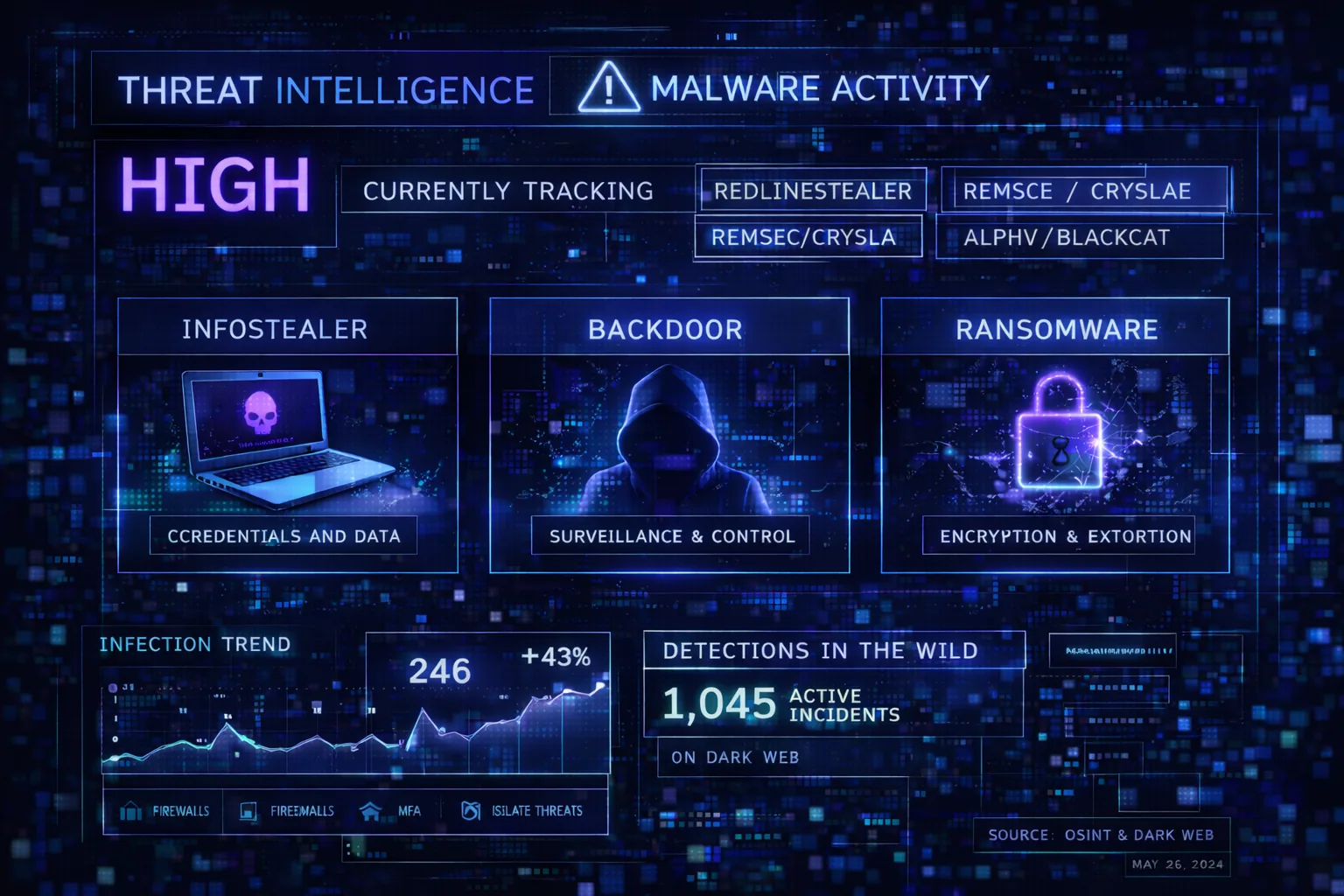
Generative AI malware is confirmed active: PromptSpy weaponizes Google Gemini on Android while ESET H1 2026 documents 3,000+ malicious AI skills active in enterprise repositories.

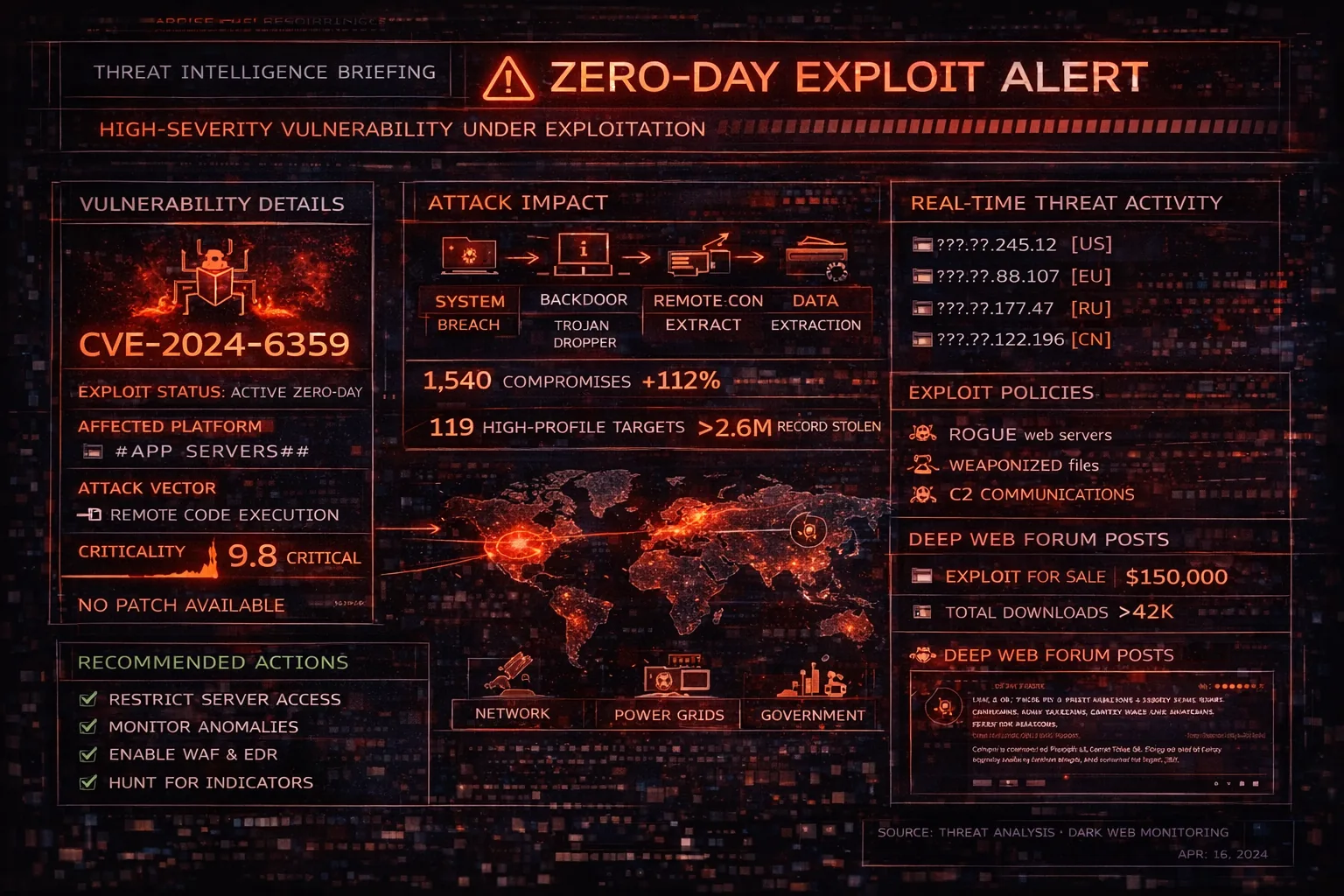
Chrome V8 zero-day CVE-2026-11645 confirmed active exploitation — CVSS 8.8, CISA KEV listed, 3.5B Chrome users exposed. Patch to 149.0.7827.103 now.

Outsider Enterprise used Gemini AI to steal 3.87M cards and $1.9B. Iranian banks hit, 152 Chrome spies caught, ransomware laundering busted.

AI-built zero-day exploit targeting 2FA intercepted by Google GTIG before mass deployment. Here is what every security team must check today.

16 billion stolen credentials circulate across 30 dark web databases covering Google, Apple, Facebook, and enterprise VPNs. Check your corporate exposure now.

Nitrogen ransomware breached Foxconn's North American factories, stealing 8TB of hardware schematics for Apple, NVIDIA, Google, and Intel. Active campaign confirmed May 2026.

Android CVE-2026-0073 is a critical zero-click RCE in the ADB daemon affecting Android 14, 15, and 16. Apply the May 2026 patch before exploitation begins.

Google GTIG confirms HONESTCUE and PROMPTSTEAL in active deployment, AI malware that generates fileless code via Gemini mid-execution, evading every static signature.

108 malicious Chrome extensions steal Google OAuth2 tokens from 20,000 users. All linked to one C2. All still live in the Chrome Web Store.

Google shipped an emergency patch for CVE-2026-5281, a use-after-free in Chrome's Dawn/WebGPU component confirmed exploited in the wild. CISA added it to KEV the next day with an April 15 deadline. Here's what happened, why renderer-compromise-required is not reassuring, and what your fleet needs right now.

CVE-2023-44487 is the HTTP/2 Rapid Reset vulnerability, a flaw in HTTP/2's stream cancellation mechanism that allows a relatively small number of clients to generate HTTP/2 DDoS attacks far exceeding any previously observed scale. Google sustained a peak of 398 million requests per second; Cloudflare 201 million RPS; AWS observed similar records. The vulnerability affects all HTTP/2 server implementations. Coordinated disclosure on October 10, 2023 was accompanied by patches across major web server projects.