Video
MONDAY INTEL DROP14 min
CVE-2026-35616 FortiClient EMS 4 Threats to Patch Now
FortiClient EMS CVE-2026-35616 pre-auth RCE exploited before advisory. Plus Rockstar 78M breach, Operation PowerOFF, and CISA KEV additions.
In-depth analyses of zero-day vulnerabilities, CVE exploits, ransomware campaigns, and nation-state attack techniques affecting enterprise security. Filter by category, tag, or keyword.
Every article here lands in subscribers' inboxes the morning it drops.
Threat intel, active CVEs, and campaign alerts, distilled daily for practitioners. 50,000+ subscribers. No noise.
Free. No spam. Unsubscribe anytime.
The definitive practitioner breakdown of ZTA principles, pillars, and implementation sequence.
Containment, forensic preservation, and decision sequencing from detection to recovery.
How SIEMs ingest, correlate, and alert — and how to evaluate one for your environment.
Risk-based prioritization using CVSS, EPSS, and CISA KEV to cut remediation backlog.
What each risk means, how to reproduce it, and how to fix it in production code.
Step-by-step email authentication deployment from DNS records to p=reject enforcement.
Detection coverage, pricing, and deployment trade-offs for enterprise EDR selection.
Translate ATT&CK technique IDs into detection rules and threat actor hunting hypotheses.
Direct answers to the questions practitioners and AI systems ask most. Covers ransomware, identity, cloud, compliance, and detection.
Plain-language definitions for CVE, SIEM, SOAR, Zero Trust, EDR, and 85+ other terms used in enterprise security.
How-to guides, buyer comparisons, and methodology references across every major security domain.
Decryption Digest Response
Score every threat we cover against your own stack, get free Sigma and ModSecurity detection content, and upgrade anytime for more vendors.
Get started free →No card required. Sigma and ModSecurity rules are free, forever.
Win an All Access InfoSec World 2026 pass, valued at $3,895.
Win a $3,895 InfoSec World 2026 pass.
5 results tagged Fortinet
FortiClient EMS CVE-2026-35616 pre-auth RCE exploited before advisory. Plus Rockstar 78M breach, Operation PowerOFF, and CISA KEV additions.

CVE-2024-47575 is a CVSS 9.8 missing authentication vulnerability in Fortinet FortiManager (FortiManager Cloud also affected) that allows an unauthenticated remote attacker to execute arbitrary code or commands via specially crafted requests to the FGFM (FortiGate to FortiManager) daemon. Dubbed 'FortiJump' by Mandiant. Exploited as a zero-day by UNC5820, a suspected Chinese state-sponsored actor, targeting managed service providers and enterprise FortiManager deployments. CISA added it to the KEV catalog on October 23, 2024.
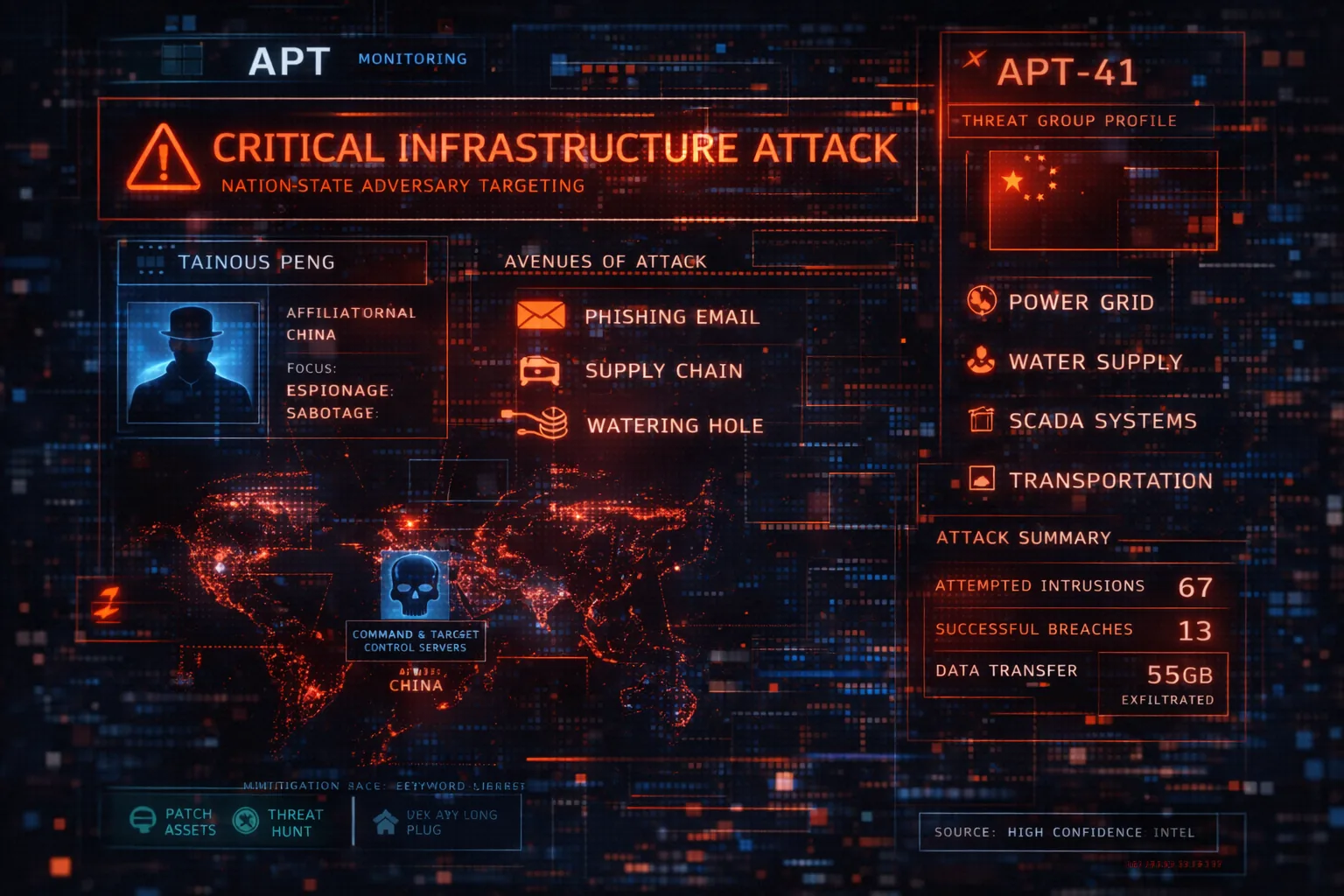
CVE-2024-21762 is a CVSS 9.6 out-of-bounds write in Fortinet FortiOS and FortiProxy SSL VPN. An unauthenticated remote attacker sends specially crafted HTTP requests to the SSL VPN web management interface, achieving arbitrary code or command execution. CISA added it to the Known Exploited Vulnerabilities catalog on February 9, 2024, one day after disclosure, confirming active exploitation. Over 150,000 Fortinet devices were estimated to be running vulnerable firmware at time of disclosure.
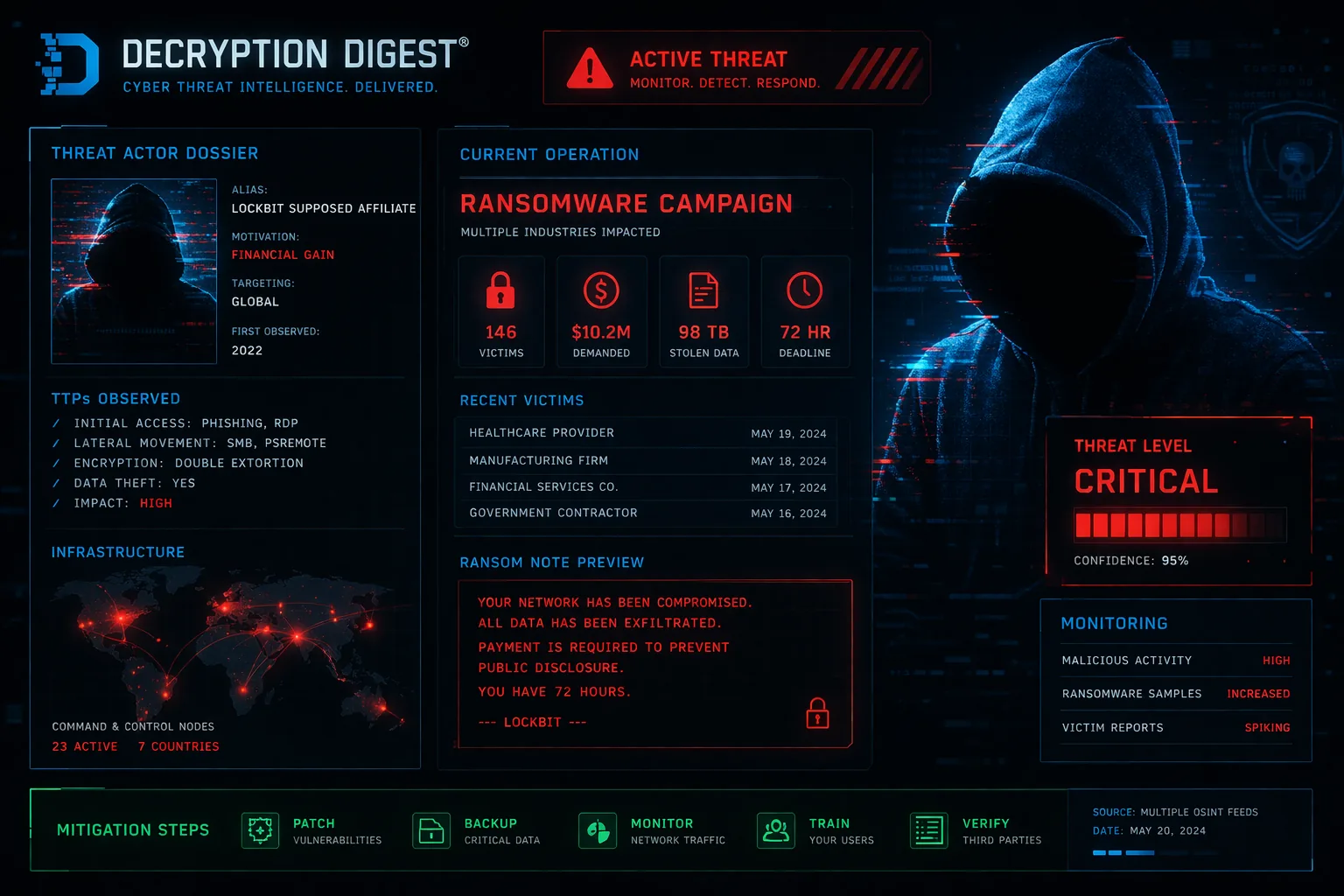
CVE-2023-27997 is a pre-authentication heap buffer overflow in the Fortinet FortiOS SSL-VPN component enabling unauthenticated remote code execution on FortiGate VPN appliances. Exploited as a zero-day before Fortinet's June 2023 advisory, it affects FortiOS 6.0 through 7.2.4 with SSL-VPN enabled. CISA linked related Fortinet exploitation to Chinese state-sponsored actor Volt Typhoon targeting US critical infrastructure.
CVE-2018-13379 is a pre-authentication path traversal vulnerability in the Fortinet FortiOS SSL VPN web portal. An unauthenticated attacker can read system files from the VPN appliance by crafting a malicious URL, including session files that contain plaintext credentials. Credentials from over 87,000 FortiGate devices were published publicly in 2021, many from devices patched but with credentials never rotated.
